

Step One
Exam and Plan
We review your X-rays or scan, confirm which teeth are coming out and go over your sedation choice.
Wisdom Teeth Relief, Handled Calmly
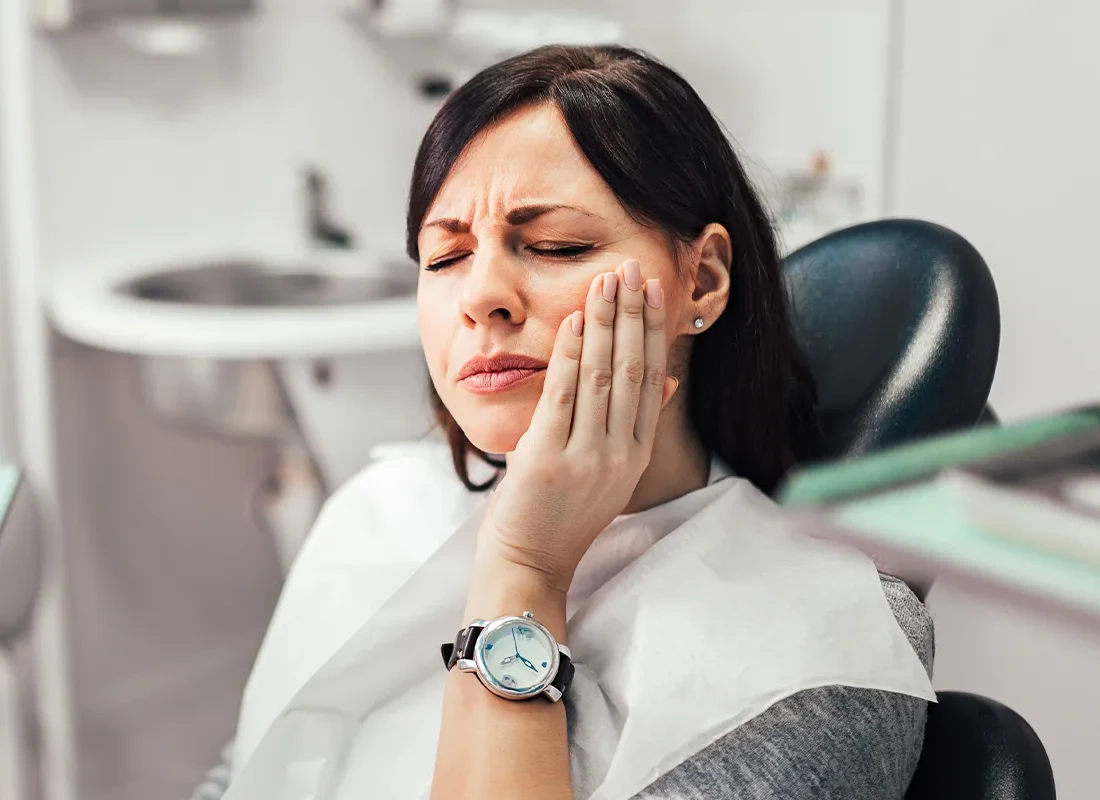
Is a sore spot behind your last molar making it hard to chew or sleep? Wisdom teeth removal in Independence, KY, takes out back molars that are stuck, crowded or infected so the ache can settle. Dr. Nakhla offers IV sedation in our office so you can stay relaxed and get back to your routine.
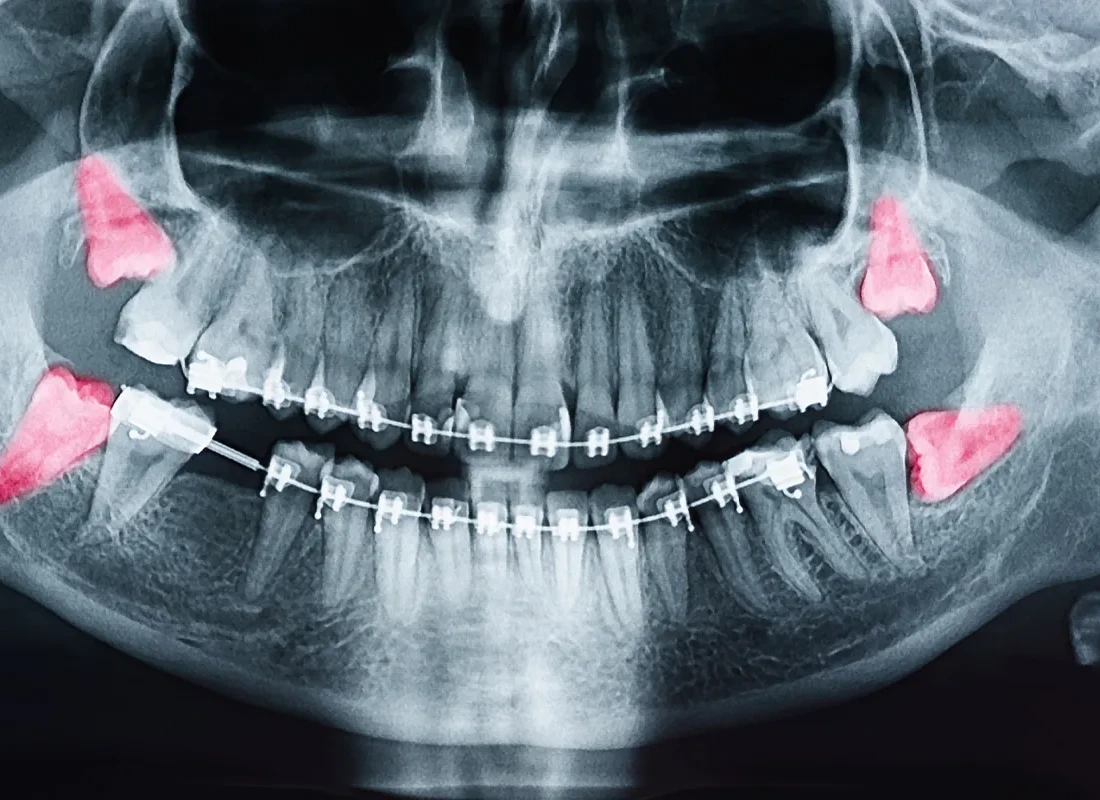
Wisdom teeth are the third set of molars, the last teeth to come in, usually in the late teens or early twenties. By then many jaws have no room left, so a wisdom tooth may grow in crooked, break through only partway or stay trapped under the gum or in the bone.
A trapped tooth is called impacted. It can press on the molar in front, and a partly erupted one leaves a flap of gum where food and bacteria collect, which is where a lot of wisdom tooth pain starts. Dr. Nakhla checks how each tooth sits before recommending any treatment.

Wisdom teeth stuck under the gum or angled toward the next molar often need removal before they cause damage.
A sore, swollen flap of gum behind your last molar can signal a partly erupted tooth that keeps getting infected.
Aching when you open wide or bite on your back teeth can point to a wisdom tooth that is causing trouble.
Decay in a wisdom tooth, or in the molar in front of it, is often a reason to take the wisdom tooth out.
We review your X-rays or scan, confirm which teeth are coming out and go over your sedation choice.
If you choose IV sedation, it starts before the teeth and the gum around them are numbed.
For a tooth under the gum, a small opening is made, and a tooth that is difficult to remove whole may be removed in sections so less bone is disturbed.
The site is cleaned, and stitches are placed where needed.
You bite on gauze, and we go over aftercare with you and whoever is taking you home.
Removing a tooth that keeps getting infected can help prevent further swelling and pain in that area.
Removing a wisdom tooth that crowds its neighbor can make that area easier to clean and help protect the nearby molar.
X-rays, and a 3D scan when needed, show the angle of each tooth and how close its roots run to the nerve.
IV sedation is given in our office for patients who want help staying calm.
Lower wisdom teeth often sit close to the nerve that gives feeling to the lip and chin, and upper ones close to the sinus. When that matters, our own cone beam CT scanner takes a 3D image in about 14 seconds, and Dr. Nakhla goes over it with you on screen.
We offer IV sedation right here and monitor your vital signs throughout. You’ll need someone to drive you home and stay nearby for the rest of the day.
Some wisdom teeth do not need to come out, and Dr. Nakhla will tell you if yours can simply be watched at your checkups.
Our treatment rooms have Netflix, blankets and music, and Spanish is spoken in our office.
Wisdom teeth are easier to handle before they cause bigger problems. Request your visit for wisdom teeth removal in Independence, KY, and find out how yours are growing in. Fill out the form or call 859-356-2000.
FAQs
Some people only need the teeth causing trouble removed. Others have all of them out in one visit, often under sedation, for one recovery instead of several, and Dr. Nakhla recommends the approach that fits your mouth.
It depends on the tooth. One that is upright, fully through and easy to clean can often stay, while one that is impacted or pressing on the molar in front may be worth removing before it causes trouble.
Swelling and stiffness usually begin to improve after the first few days, though recovery can take one to two weeks. Plan to take it easy for the first few days and follow your aftercare instructions. After IV sedation, have someone stay with you and avoid driving for at least 24 hours or as directed.
Cold packs on the cheek, soft foods and rest help, and you should skip straws and smoking since suction can pull the blood clot out. Call us if swelling grows after the third day, bleeding keeps going or you develop a fever, and see our tooth extraction page for more aftercare.
Dr. Nakhla may treat the swelling first to make the area easier to numb. The tooth can then be removed once the swelling settles. He decides based on how the area looks at your visit.
Many dental plans cover part of the cost when removal is needed. Our team is glad to verify your benefits before treatment.