

Step One
Exam & Imaging
We start with an exam and digital X-rays, plus a 3D scan when the roots need a closer look.
Relief for an Infected Tooth
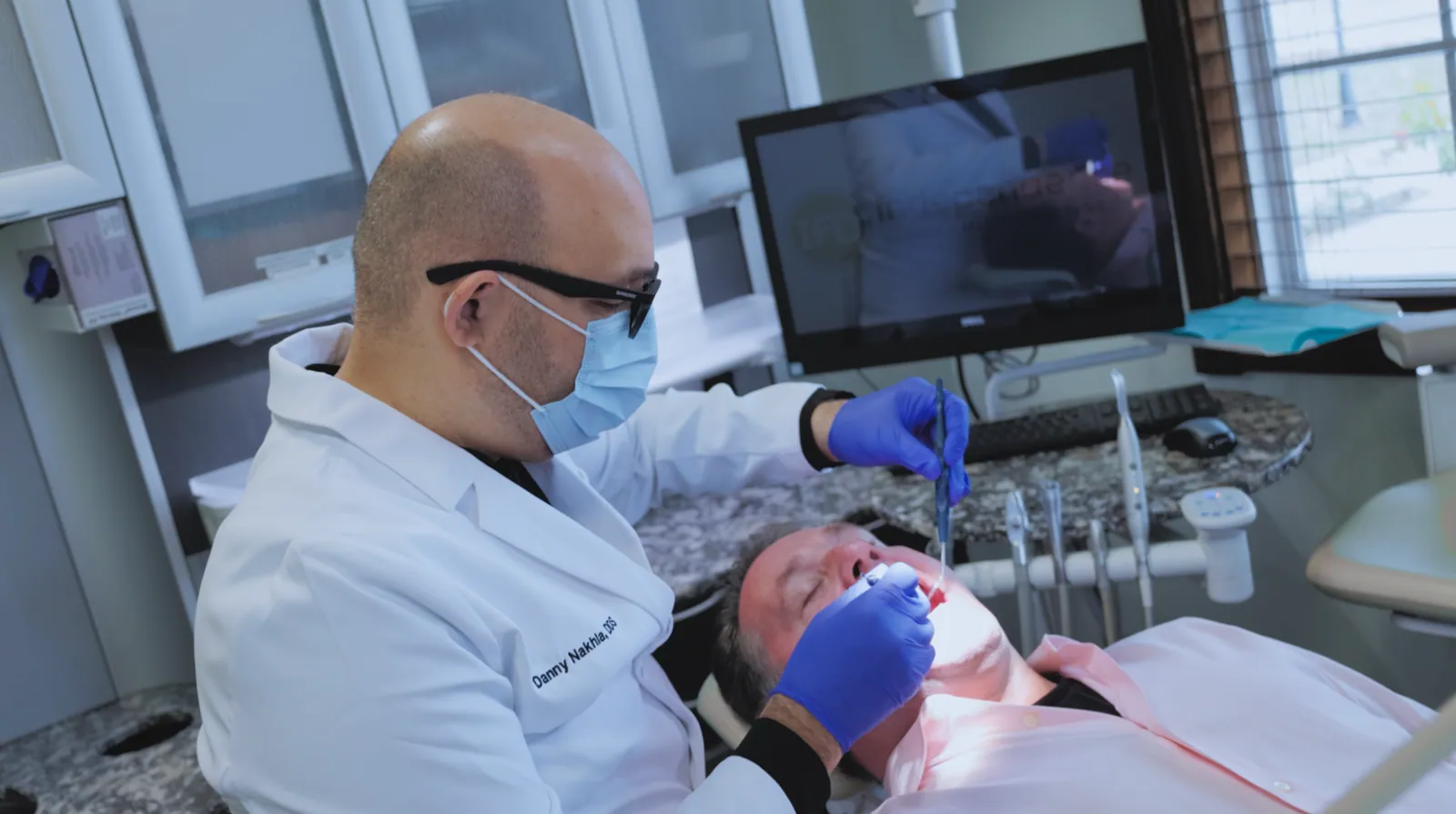
Is a throbbing tooth keeping you up at night? Root canal treatment in Independence, KY, clears the infection from inside the tooth so the ache can settle and you keep your natural tooth. Dr. Nakhla offers IV sedation in our office for nervous patients, so you can get the care you need in comfort.
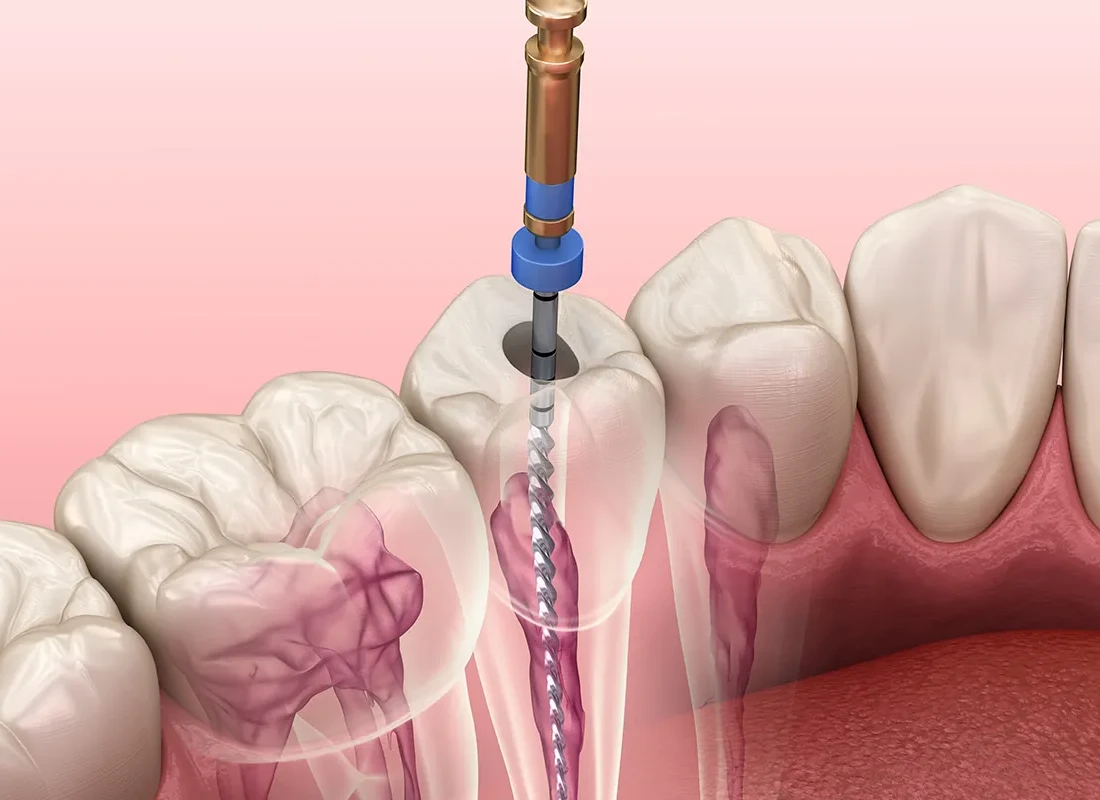
A root canal treats a tooth whose inner pulp, the nerve and blood supply, is infected or inflamed. Deep decay, a crack or a large old filling can let bacteria reach that space, and the pressure inside the hard tooth is usually the ache you feel.
During treatment, the infected pulp is removed, the canals are cleaned and disinfected, and the space is filled and sealed. The outside of the tooth stays in place, still rooted in your jaw.
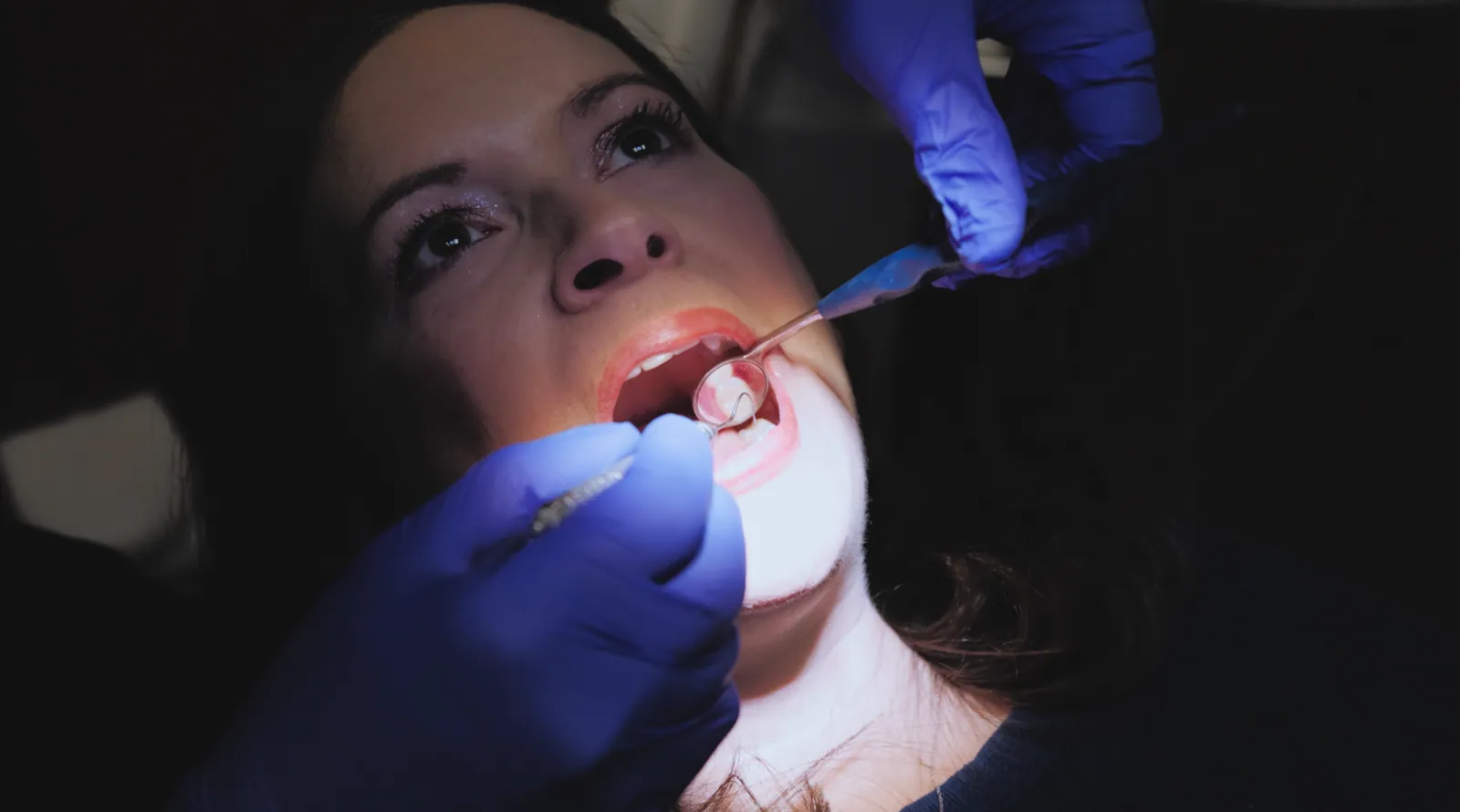
A lingering, throbbing ache, especially when you bite or press on the tooth, can point to an infected pulp.
Pain that lingers after something hot or cold touches a tooth can be a sign of nerve damage.
Swelling or a small pimple-like bump on the gum near a tooth may signal infection.
A tooth that has turned darker than its neighbors may have a pulp that is damaged or dying.
We start with an exam and digital X-rays, plus a 3D scan when the roots need a closer look.
The tooth and the gum around it are numbed before any work begins.
A small opening is made in the top of the tooth, and the infected pulp is removed.
Each canal is cleaned, shaped, disinfected and filled with a sealing material.
The opening is closed with a filling, and back teeth usually get a crown to protect what is left.
Removing the infected tissue takes away the source of the ache.
Your natural tooth stays in place, so there is no gap to fill and no replacement to plan.
Keeping the tooth stops the teeth beside it from drifting into an empty space.
With a crown on top, a treated back tooth can take a full bite again.
Roots curve, and a flat X-ray can hide an extra canal. Our cone beam CT scanner takes a 3D image of the tooth, its roots and the bone around them in about 14 seconds.
If you feel nervous about treatment, we offer IV sedation in our office and monitor your vital signs throughout. You will need someone to drive you home afterward.
Dr. Nakhla has advanced training in IV sedation and goes over your scan with you on screen so you know the plan.
The treatment rooms have Netflix, blankets and music to help you relax through the visit.
A toothache can take over your whole day. Request your visit for root canal treatment in Independence, KY, and find out how to save your tooth. Fill out the form or call 859-356-2000.
FAQs
It depends on the tooth. Removal is quicker on the day, but it leaves a gap that usually needs a bridge or an implant to keep neighboring teeth from drifting. If the tooth can be saved, Dr. Nakhla will usually recommend saving it.
Antibiotics can calm an infection that has spread into the gum or face, but they cannot clear the infected pulp inside the tooth. The infection tends to come back until the tooth itself is treated.
An abscess is a pocket of pus, usually at the tip of the root, from an infection inside the tooth. It can show up as a bump on the gum or only on an X-ray, and a root canal is often how it is cleared.
Some tenderness when you chew for a few days is common while the area around the root settles. If swelling grows or the pain gets worse, call us.
Back teeth usually do, because decay and the opening made for treatment can weaken the tooth, and back teeth handle strong chewing forces. Front teeth sometimes need only a filling, and our dental crowns page explains the options.
Yes. A tooth treated years ago can become infected again. During retreatment, the old filling material is removed and the canals are cleaned and resealed. A 3D scan can help show what the first treatment may have missed. If the tooth cannot be saved, Dr. Nakhla goes through the choices, including tooth extraction and how the space could be filled.
Some infected teeth cause no pain and only show up on an X-ray. Call us right away for spreading swelling or a fever. If you have trouble swallowing or breathing, seek emergency medical care immediately.
Dental insurance often helps with this kind of treatment. Our team verifies your benefits before you start, so you know what to expect.