

Step One
Exam and Imaging
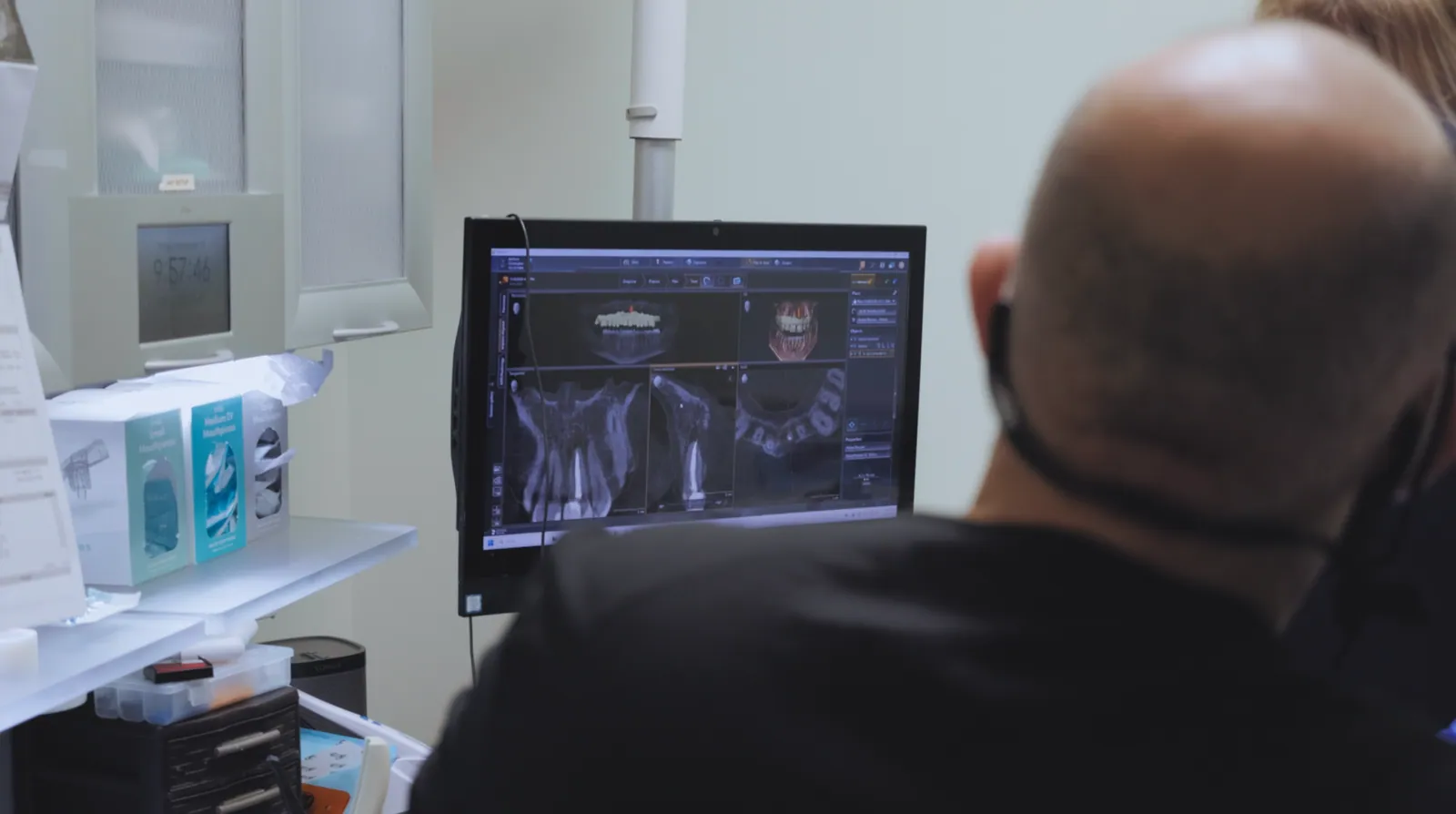
Dr. Nakhla examines your gums and bite, and we take digital X-rays and a CBCT 3D scan to measure the bone where the implant would go.
Replace Missing Teeth With Dental Implants
Is a missing tooth making it harder to eat or smile? Dental implants in Independence, KY, replace missing teeth with support anchored in the jaw. Dr. Nakhla has advanced implant training and plans care with our 3D scanner.
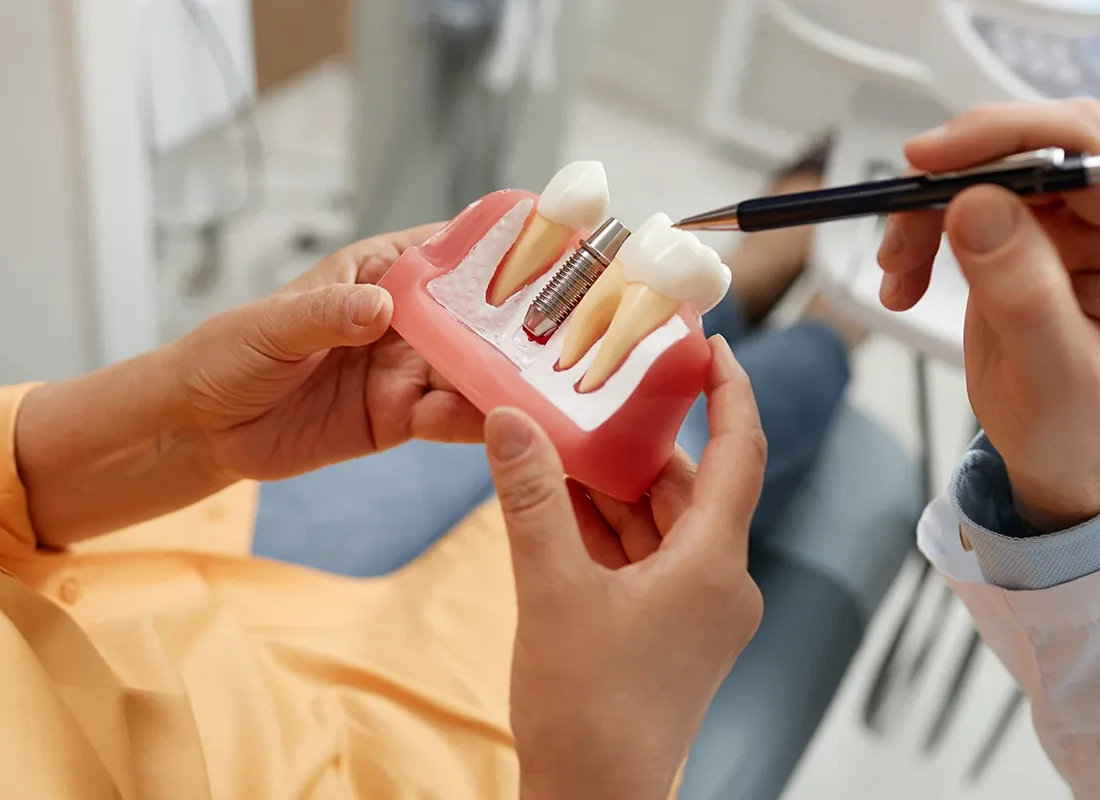
A dental implant is a small post, usually titanium, placed in the jawbone where the root of a missing tooth used to be. Over the following months, the bone bonds with the post, and a crown, bridge or denture is then attached to it.
Because the post sits in the bone, the tooth on top does not rest on your gums or lean on its neighbors.
One gap or several can let nearby teeth drift and change how your teeth meet, and an implant fills the space so your bite stays steady.
A tooth that is too damaged by decay, a crack or infection to repair can be removed and replaced with an implant.
If a denture shifts or rubs, implants can hold it steady, or replace it with teeth anchored in the jaw.
Once a tooth is gone, the bone beneath it slowly shrinks, and an implant gives that bone a root to work against again.
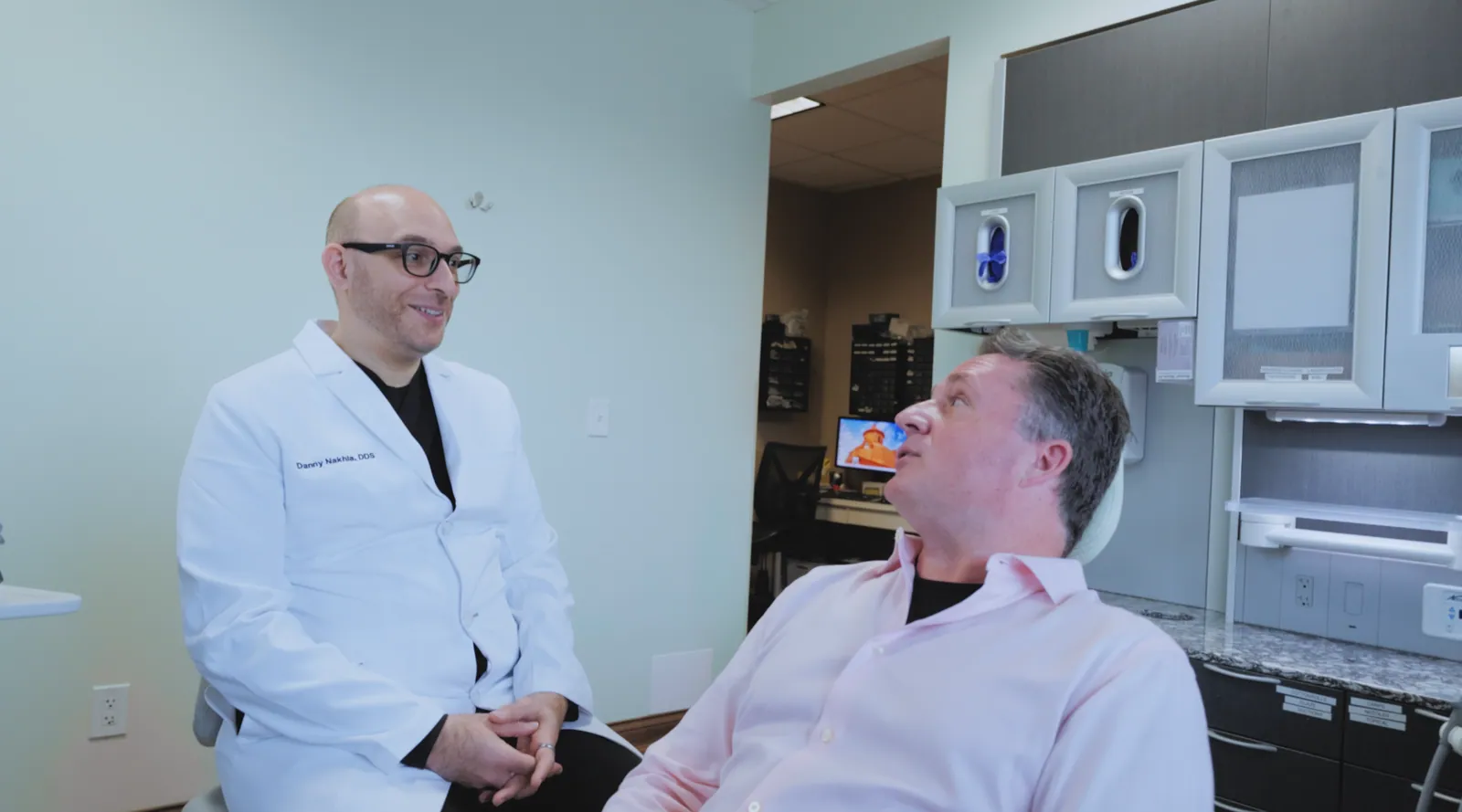
Dr. Nakhla examines your gums and bite, and we take digital X-rays and a CBCT 3D scan to measure the bone where the implant would go.
He goes through the scan with you on screen, explains your options, and tells you whether any bone needs rebuilding first.
The area is numbed, and IV sedation is available if you want it. The post is placed in the jawbone and the gum is closed over or around it.
Over the following months the bone fuses to the post. We check the site as it heals and give you aftercare instructions.
Once the implant is solid, a crown, bridge or denture is attached, and Dr. Nakhla checks your bite before you leave.
From one missing tooth to a full arch, Dr. Nakhla plans the option that fits your bone, your goals and your budget.
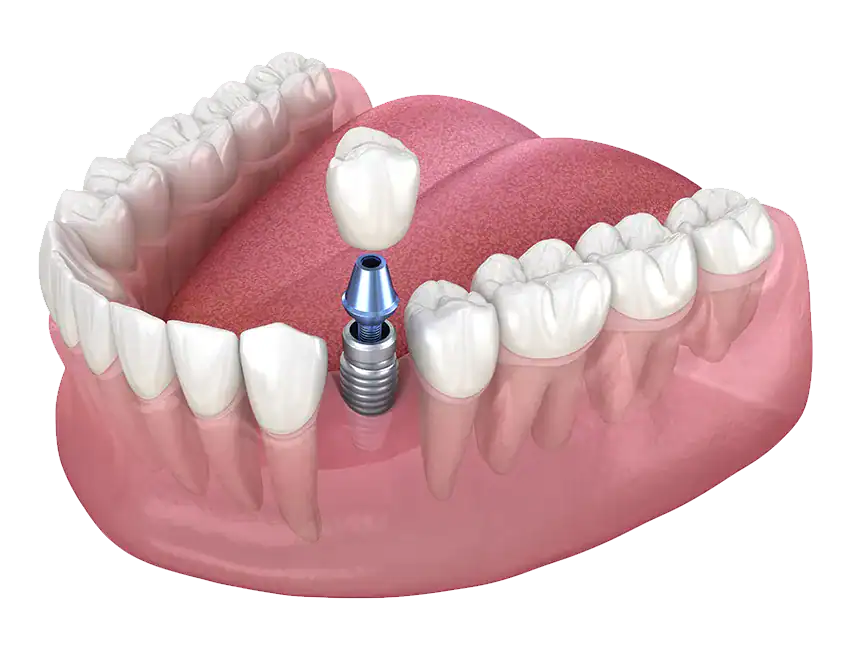
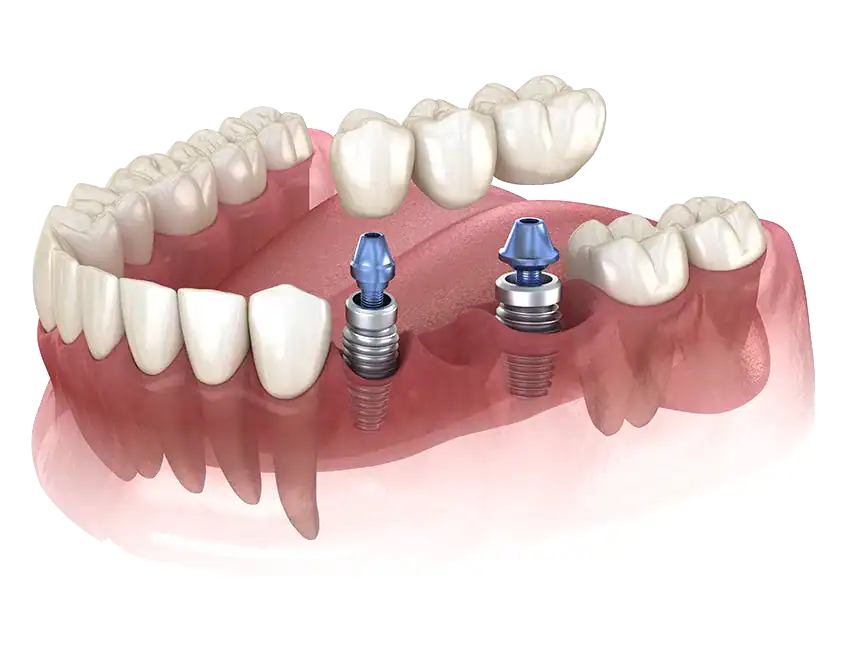
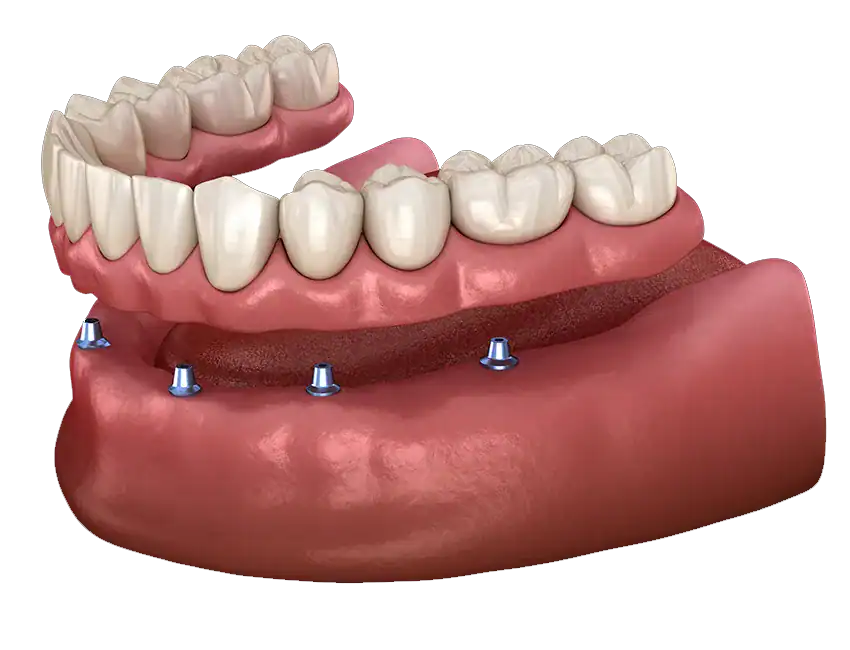
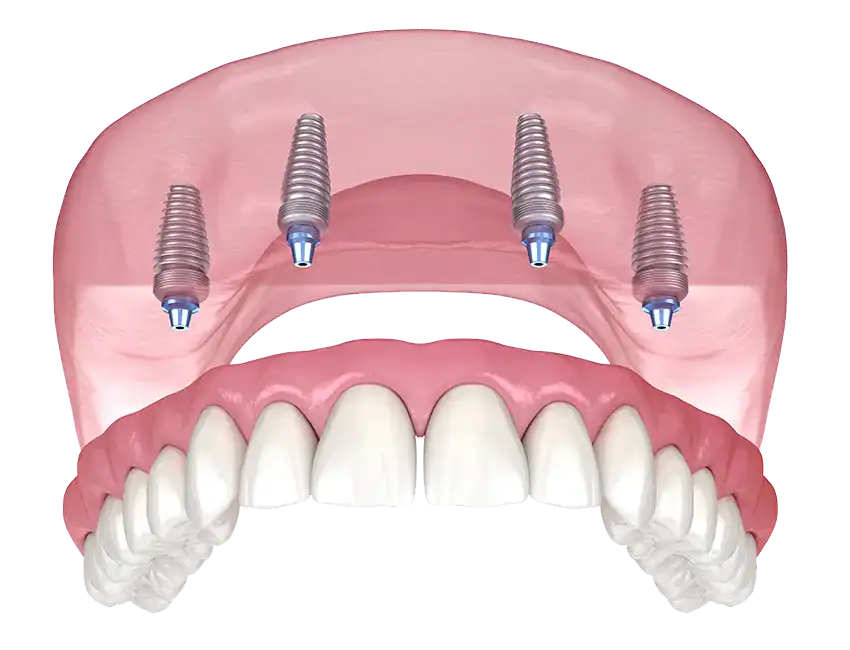
The crown is made to match the color and shape of the teeth around it.
With careful cleaning and regular checkups, an implant can serve you for many years.
The post is anchored in the bone, so the tooth does not slide or click the way a loose denture can.
Filling the gap stops neighboring teeth from drifting and gives the jawbone a root to work against again.
Dr. Nakhla has advanced training in dental implants and places them here in our office.
Our CBCT scanner shows the bone, nerves and sinuses, and he goes through the image with you before any plan is made.
Your scan, the implant and the tooth on top are all handled in our office, so your care stays with one team.
IV sedation is given in our office for patients who want it during placement.
A well-planned implant is an investment in how you eat, speak and smile every day. Request your consultation for dental implants in Independence, KY, to find out if implants are right for you. Fill out the form or call 859-356-2000.
FAQs
An implant needs enough bone and healthy gums around it, and the 3D scan shows what you have. If the bone has thinned, it can often be rebuilt first with a bone graft or a sinus lift. Gum disease is also treated before an implant goes in.
With careful cleaning and regular checkups, an implant can serve you for many years. The main threat is an infection of the gum and bone around it, called peri-implantitis, which we treat if it appears.
The area is numbed before the post is placed, and IV sedation is available if nerves are the bigger worry. Some soreness and swelling in the first days is common.
The bone needs several months to fuse to the post, so the full process runs over months rather than days. Your plan sets out each step and what you will wear in the meantime.
Whether a tooth can be attached on the day the implant is placed depends on your bone and your treatment plan. Dr. Nakhla can tell you after your exam and scan.
The cost depends on how many implants you need, whether bone has to be rebuilt first, and what goes on top. We go over the full plan and fees with you before you decide.
Coverage for implants varies from plan to plan. Our team checks your benefits and explains what your plan may pay.
That depends on your bone, the teeth beside the gap and what you want. A traditional bridge relies on neighboring teeth that are shaped to support it, while an implant does not. Traditional dentures are removable; implant-supported teeth may be fixed or removable.