

Step One
Tell Us About It
Share when the ache starts, where it hurts and whether anyone has heard you grind.
Relief for Jaw Pain and Grinding
Does your jaw feel tight and your teeth tender by breakfast? TMJ treatment starts with finding what is behind the ache. A custom night guard may help protect your teeth if you grind. Dr. Nakhla explains what he finds and the care he recommends, so mornings can feel easier.
The TMJ is the temporomandibular joint, the hinge just in front of each ear where your lower jaw meets your skull. Trouble with that joint or the chewing muscles around it is called TMD, though most people simply say TMJ.
Grinding or clenching, often at night and often without knowing it, is called bruxism. It can leave your jaw sore by morning and wear down or crack teeth.
A jaw that aches when you wake up or after a chewy meal is a common reason to have it checked.
Clicking or popping that comes with pain, or a jaw that sticks, is worth mentioning.
Headaches around the temples, especially early in the day, can go along with clenching.
Teeth that look flatter, shorter or chipped can be signs of grinding. A partner hearing you grind is another reason to ask about it.
Dr. Nakhla checks your jaw and teeth before recommending care. Treatment may include home care, a night guard to protect your teeth or a referral when needed.
Share when the ache starts, where it hurts and whether anyone has heard you grind.
Dr. Nakhla checks your joints, muscles, teeth and bite, with imaging if he needs a closer look.
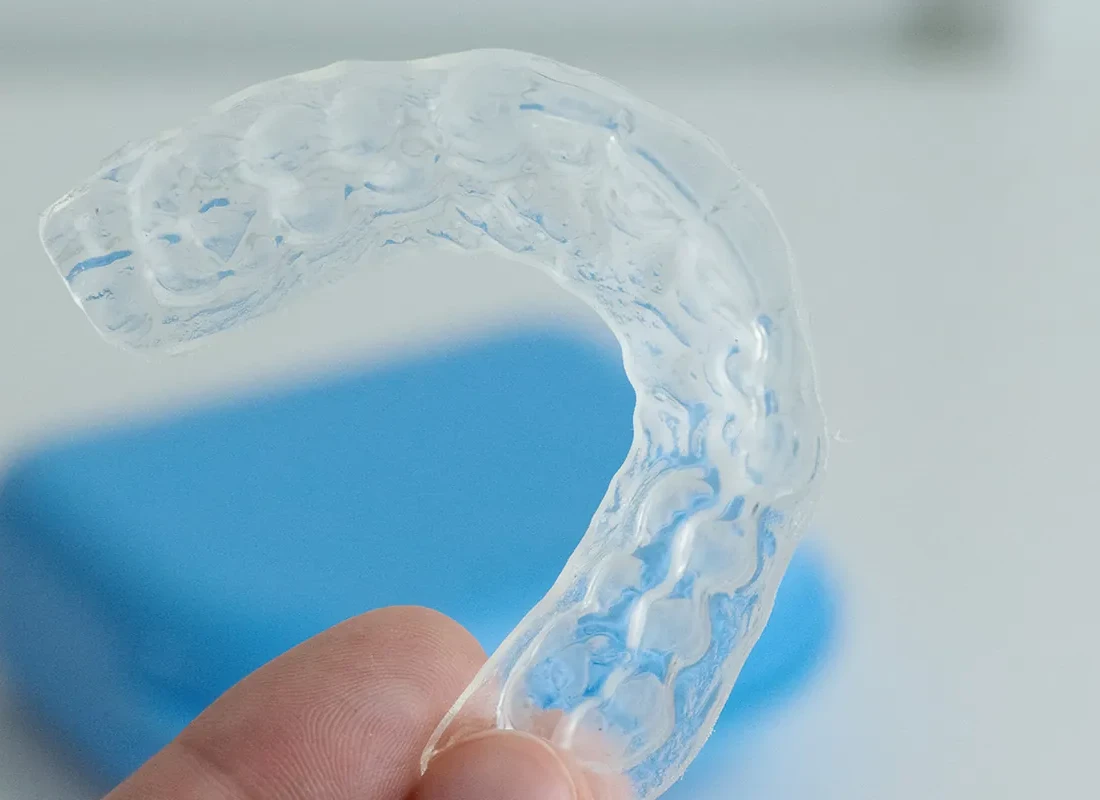
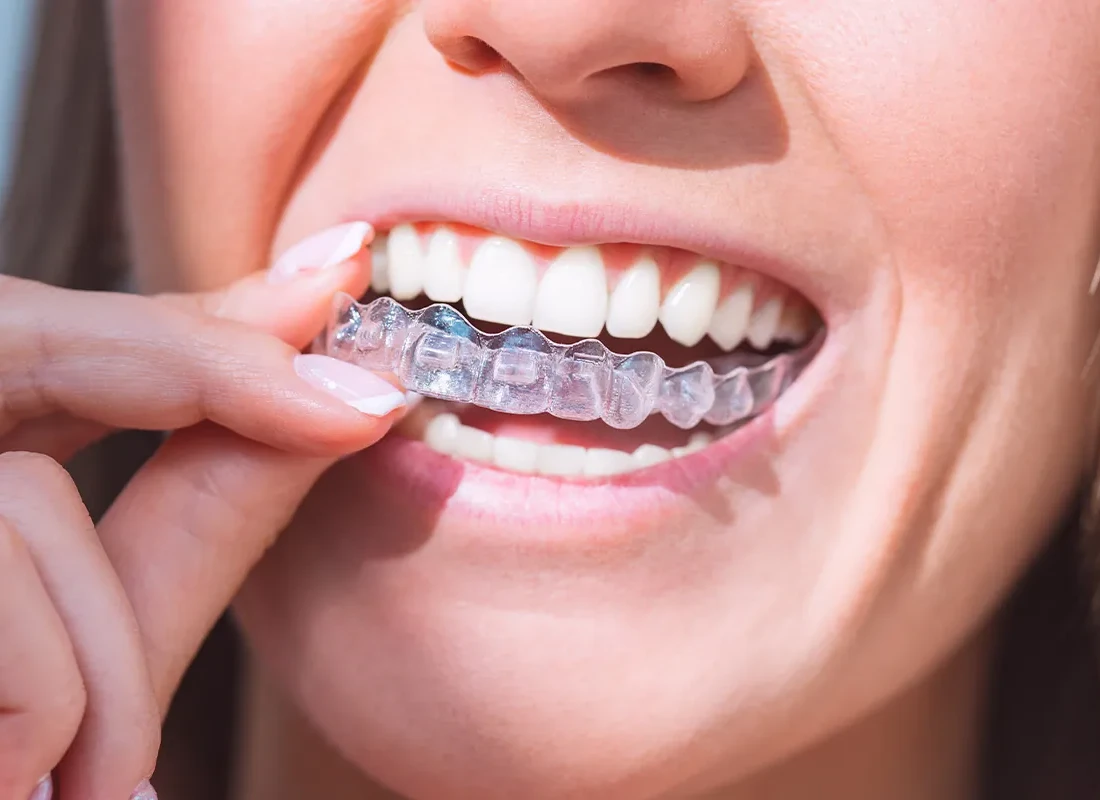
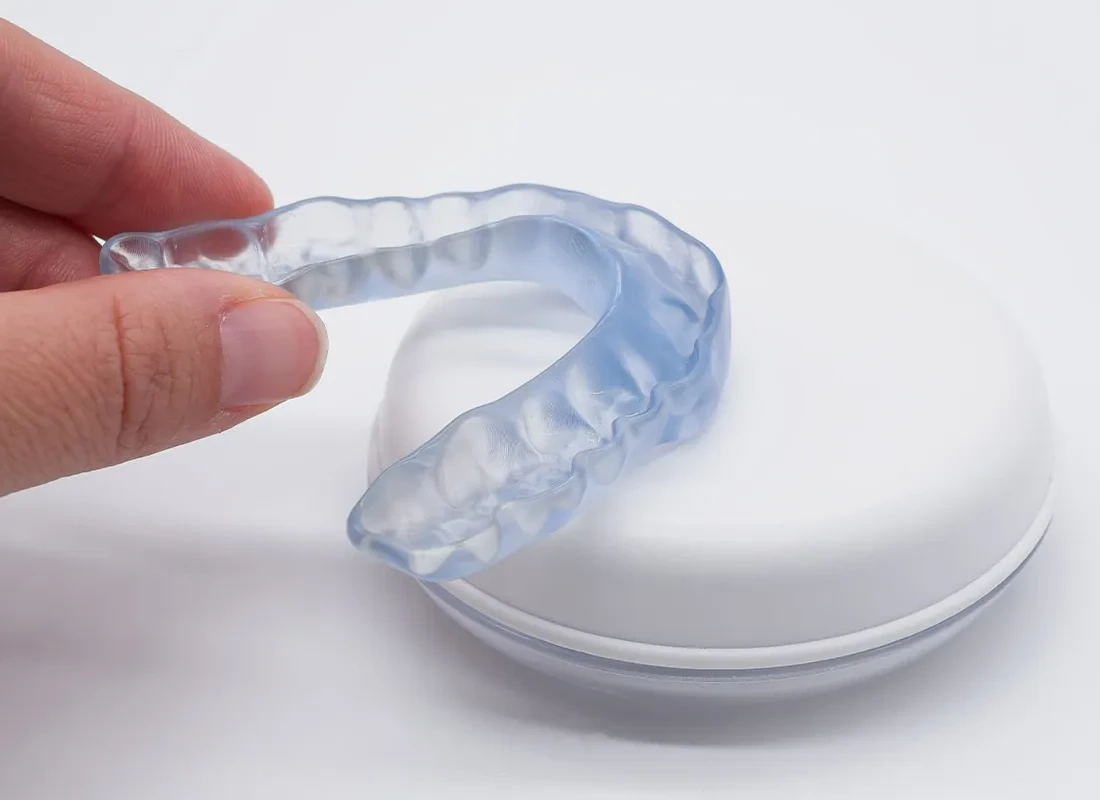
If Dr. Nakhla recommends a night guard, we record the shape of your teeth so it fits closely.
You try it in, the bite is checked and evened out, and you learn how to clean and store it.
You return so Dr. Nakhla can see how the guard fits and how your jaw feels, and adjust the plan if needed.
Dr. Nakhla checks your teeth, joints, muscles and bite before suggesting anything.
A custom night guard takes the wear when you grind, instead of your enamel or crowns.
Our own cone beam scanner can show your jaw joints in 3D when a closer look is needed.
Dr. Nakhla feels the joints and chewing muscles as you open and close, and checks how your teeth wear and meet.
Dr. Nakhla can show you images of your jaw on the screen using our digital X-rays and 3D scanner.
Most people start with the gentlest option, usually a night guard, and the plan changes based on how you feel.
Dr. Nakhla will refer you to a physician, physical therapist or specialist when your jaw needs care beyond the dental chair.
Jaw pain and morning headaches can wear you down. Request your visit for TMJ treatment in Independence, KY, and learn your options from Dr. Nakhla. Fill out the form or call 859-356-2000.
FAQs
A night guard is made to protect your teeth from grinding. Some people find their jaw feels better wearing one and some do not, and Dr. Nakhla will be clear about what to expect. It is not a cure for TMD.
A boil-and-bite guard is shaped at home, so it fits less closely and can feel bulky. A custom guard is made to fit your teeth and adjusted to your bite. Dr. Nakhla can tell you if a store-bought guard could work for now.
Jaw pain sometimes settles with softer foods and rest. Pain that lasts, keeps coming back or limits how far you can open is worth an exam.
Clicking with no pain is common and may need nothing at all. If it comes with pain, locking or limited opening, ask us to take a look.
Yes. Grinding can chip or loosen crowns, veneers and bonding the same way it wears enamel, which is why a guard is often suggested to protect new dental work.
A night guard is thin and made for grinding pressure, while a sports mouthguard is thicker and made to cushion a hit.